Demystifying TCP Monitoring: How Crystade Keeps Your Digital World Connected
August 1, 2026
·3 min read
·
Every time you send an email, stream a video, or complete an online purchase, data travels back and forth across the internet in tiny packages. The foundation that ensures these packages arrive safely, in order, and without missing a single piece is called TCP (Transmission Control Protocol).
Think of TCP as a reliable digital courier. When TCP works smoothly, apps load instantly, video calls don't freeze, and transactions process seamlessly. But when TCP connections stall, lag, or drop, the result is frustrating slowdowns and sudden service disruptions.
That is where TCP Monitoring comes in.
What is TCP Monitoring?
TCP monitoring is the practice of continuously checking the health, speed, and reliability of network connections. Instead of waiting for users or customers to report that an application is down, monitoring gives team members a real-time pulse on network performance.
Effective monitoring helps answer three simple questions:
Is the service reachable? Can devices actually establish a connection?
How fast is the connection? Is data moving quickly or experiencing delay (latency)?
Is the connection reliable? Are packets being dropped along the way?
While traditional network monitoring tools can be cluttered with complex jargon and overwhelming technical data, modern teams need clear, actionable insights without needing a master’s degree in network engineering.
How Crystade Simplifies TCP Monitoring
Crystade was built to bridge the gap between technical complexity and everyday clarity. Whether you manage a growing business, oversee IT operations, or simply need to ensure your online services stay up, Crystade makes monitoring intuitive and effective.
Here is how Crystade helps keep your networks healthy:
1. Real-Time Visibility at a Glance
Crystade converts complex network traffic into clean, easy-to-read visual dashboards. Instead of digging through endless text logs, you get an instant high-level view of your entire connection landscape. Green means smooth sailing; color-coded alerts highlight areas that need attention before they turn into bigger problems.
2. Proactive Alerting Before Outages Hit
Why wait for customers to complain about a slow app? Crystade tracks network performance continuously and notifies you the moment connection quality begins to degrade. By catching bottlenecks early, your team can resolve issues proactive rather than reactive.
3. Automated Setup and Frictionless Deployment
Setting up network tools shouldn't take days of complex configuration. Crystade streamlines device and service tracking with automated discovery and ready-to-use monitoring checks, letting you get up and running in minutes.
4. Plain-Language Diagnostics
When something goes wrong, traditional tools dump raw error codes. Crystade focuses on clarity, highlighting where the connection issue is happening and what it impacts, so anyone on your team can understand the situation quickly and collaborate on a solution.
The Bottom Line
You don't need to be a network specialist to appreciate the importance of stable connections. TCP keeps the modern digital economy running, and keeping an eye on TCP health is essential for delivering smooth online experiences.
With Crystade, TCP monitoring stops being a complex chore and becomes an accessible, clear window into your digital infrastructure's health.
Share this post
Related Posts
Keep reading from this category

Say Goodbye to Broken Schedules: Introducing Crystade Cron Jobs
Stop wrestling with crontabs, fragile in-app schedulers, and blind execution failures.

What Is a Monitor? (And Why Logs Aren't Enough)
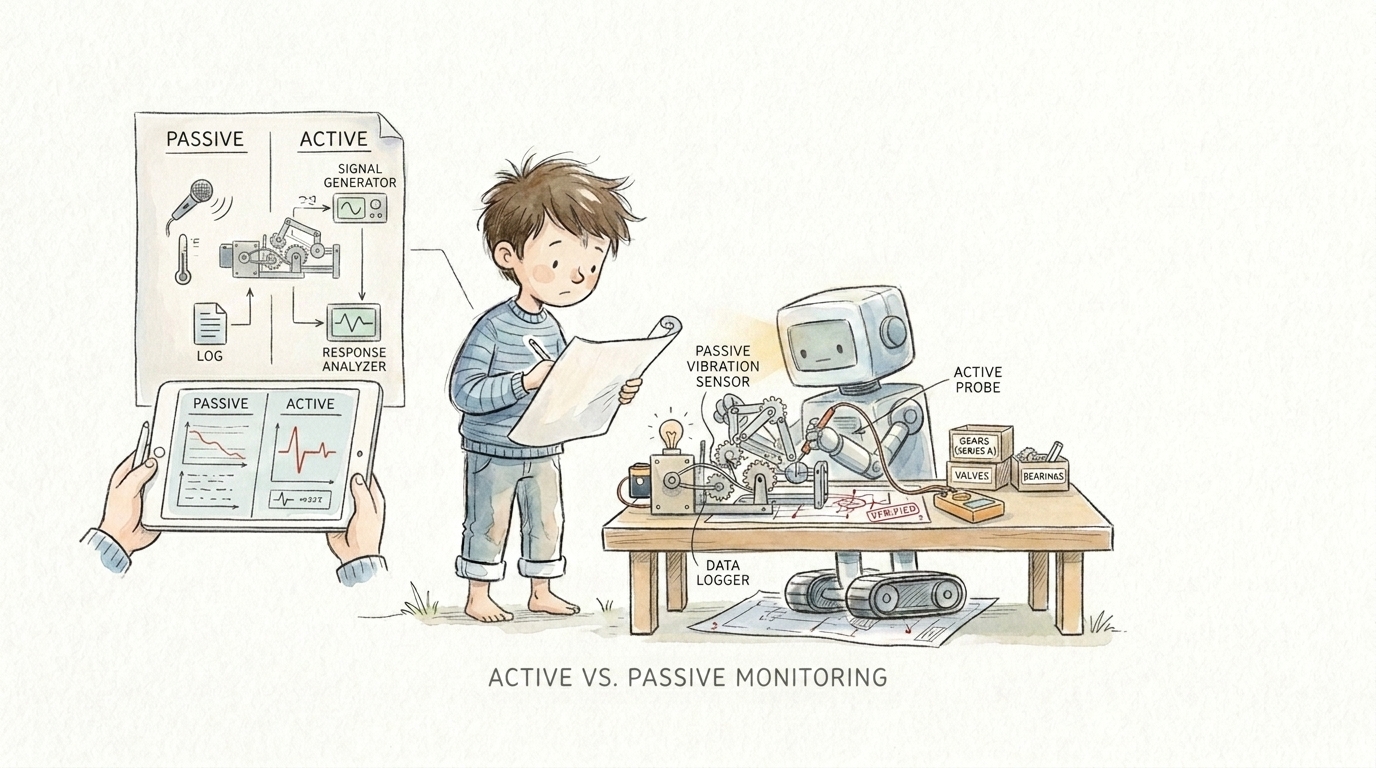
Logs tell you what happened in the past. Monitors tell you if your system is alive right now. Here is a developer-first primer on what a monitor actually is, how passive and active monitoring differ, and how to build a reliable health check strategy for cloud-native applications.
